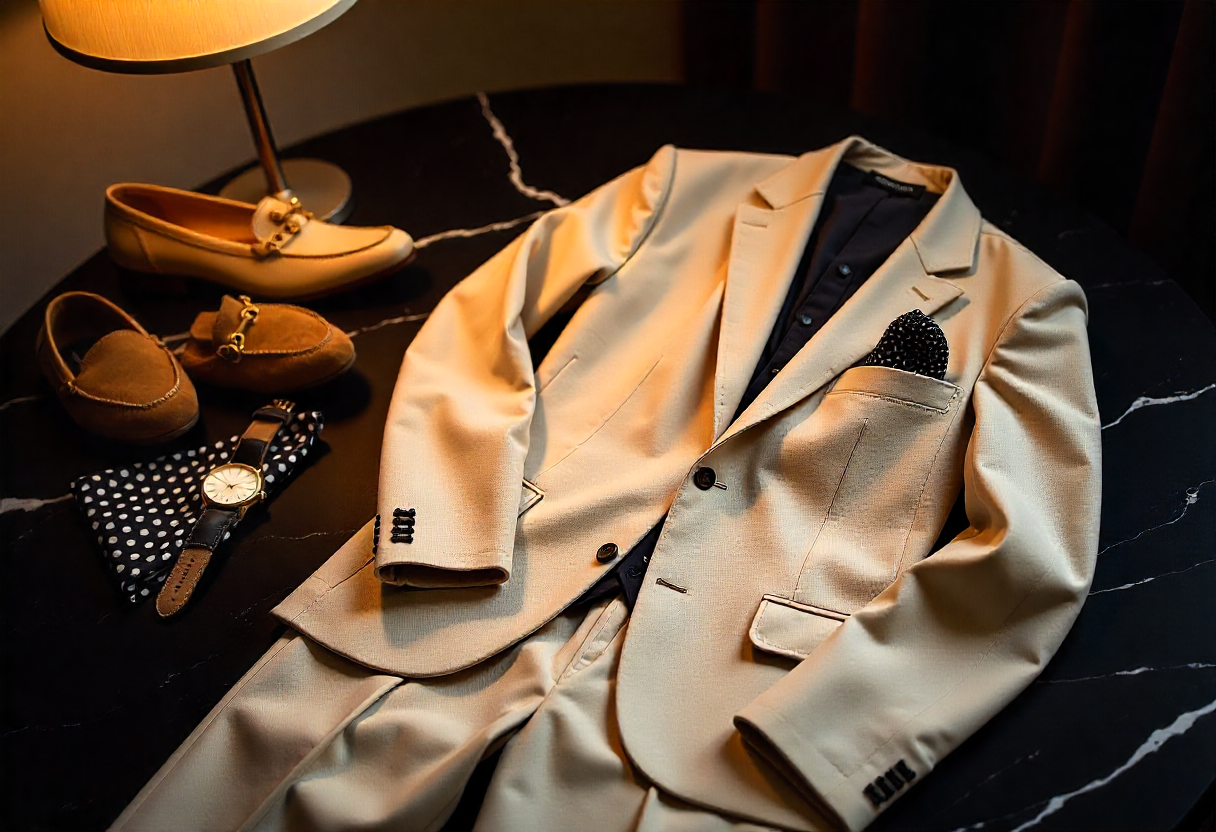

I still remember that magical afternoon, wandering into a cozy, bespoke tailoring shop for my brother’s wedding. He wanted everything custom-made personalized just for him. From the moment we stepped in, choosing fabrics, styles, and designs, it all felt like a rite of passage. I've always had a deep connection with fashion, but that visit lit a fire in me to explore the enchanting world of custom fashion.
Yet, I soon noticed a striking divide: while fast fashion thrives online, slick websites, seamless e-commerce, and dazzling digital ads - bespoke tailors often remain in the offline shadows. Their craftsmanship is exquisite, but their digital presence? Lacking.
Fashion and the Tech Revolution
Today, technology has blended with fashion, powering everything from design and supply chain to marketing and customer experience. Bespoke or "custom-made" fashion is evolving beyond fabric and thread.
- The global made-to-measure (MTM) market stood at USD 50.99 billion in 2024, projected to double to USD 100.29 billion by 2033 with a solid CAGR of 7.8% Business Research Insights.
- In India alone, the broader apparel market is around USD 115.7 billion (2024) and the custom apparel segment is expected to grow from USD 48.8 million to USD 107.5 million by 2032, with a CAGR of 10.36% DFU Publications.
Consumers - especially Millennials and Gen Z are craving individuality. Astonishingly, over 71% prefer personalized products, and 46% are willing to pay more for a perfect custom fit. Around 32% of digital tailoring services now offer 3D fitting tools, which reduce size-related returns by nearly 49% Market Growth Reports. Features like virtual try-ons and AI-fit prediction are reshaping expectations.
When Tradition Meets Technology: Modern-Day Pioneers
1. Bivolino (Belgium)
This legacy tailoring brand has pioneered biometric sizing since the late '90s. Their 3D shirt design platform (launched in 2010) lets customers design shirts online, blending art, sustainability, and precision. Impressively, their made-to-measure shirts have a carbon footprint three times lower than mass-produced ones.
2. Blugiallo (Sweden)
Targeting tech-savvy, younger customers, Blugiallo uses an algorithm based on 12,000 body shapes to deliver near-perfect online suit fits starting from £650, significantly cheaper than traditional bespoke houses Financial Times.
3. Alton Lane (USA)
A modern menswear company combining 3D body scanning with hand measurements. Clients pick styles and fabrics in showrooms; the garments are crafted in-house and returned within weeks for a perfect fit Wikipedia.
4. Iris van Herpen (Netherlands)
A visionary in fashion-tech fusion, she pioneered 3D-printed couture and continues to merge art, technology, and craftsmanship, exhibited in top museums worldwide Wikipedia.
5. Kartik Research and Other Indian Brands
Emerging Indian designers like Kartik Research, 11.11, Péro, and Verandah are blending traditional handcrafts with modern, sustainable methods and digital-first models. Kartik’s label is now stocked in 70+ global retailers and featured at Paris Men's Fashion Week.
thob.studio: Bridging the Digital Gap
We are on a mission to empower bespoke brands to go online so they, too, can showcase customization, unique fabrics, and tailoring stories with interactive 3D configurators. It’s about giving artisans a digital canvas without compromising craft or brand ethos.
Why Modern Consumers Crave This Blend
- They want to feel woven into the story not just buy clothes, but co-create.
- Technology amplifies, not replaces, artisan storytelling.
- Brands that offer virtual try-ons, 3D customizers, avatars, and fit tools retain their bespoke identity while meeting digital expectations.
- Sustainability matters, made-to-order reduces waste, lowers returns, and even carbon footprints.
From that boutique fitting room to fully immersive digital customizers, fashion’s future is about preserving artisanship while embracing tech. The bespoke experience is rich in narrative, feel, and precision which is being reimagined for our screens and lifestyles. It's not just about clothes anymore, it’s about connection, identity, and heritage.